1. Why Compliance Is a Deal Breaker
Let’s keep it simple—without proper EPA or CE compliance, your mini dumper might never leave the port… or worse, get stuck at customs.
This is not a small issue. It can lead to:
- Shipment delays
- Fines or penalties
- Machines being rejected or returned
- Loss of peak sales season
👉 Many buyers focus on price first.
But experienced importers always check compliance first.

2. EPA vs CE: What’s the Difference?
EPA (USA):
- Focuses mainly on engine emissions
- Regulated by environmental standards
- Applies to diesel engines used in equipment
CE (Europe):
- Covers entire machine safety
- Includes mechanical, electrical, and operational safety
- Mandatory for selling in the EU
👉 Simple way to understand:
- EPA = engine compliance
- CE = whole machine compliance
3. EPA Compliance (USA): What You Really Need
For exporting mini dumpers to the U.S., EPA is non-negotiable.
Key requirement:
The engine must be EPA certified.
Required documents:
1. EPA Certificate of Conformity
Issued for the engine model (not the whole machine)
2. Engine Label (Important!)
- Must be physically attached to the engine
- Shows EPA compliance details
3. Manufacturer Declaration
Confirms engine matches certified configuration
Real-world tip:
Customs often checks:
- Label on engine
- Certificate consistency
If they don’t match → shipment delay.
4. CE Compliance (Europe): More Than Just a Sticker
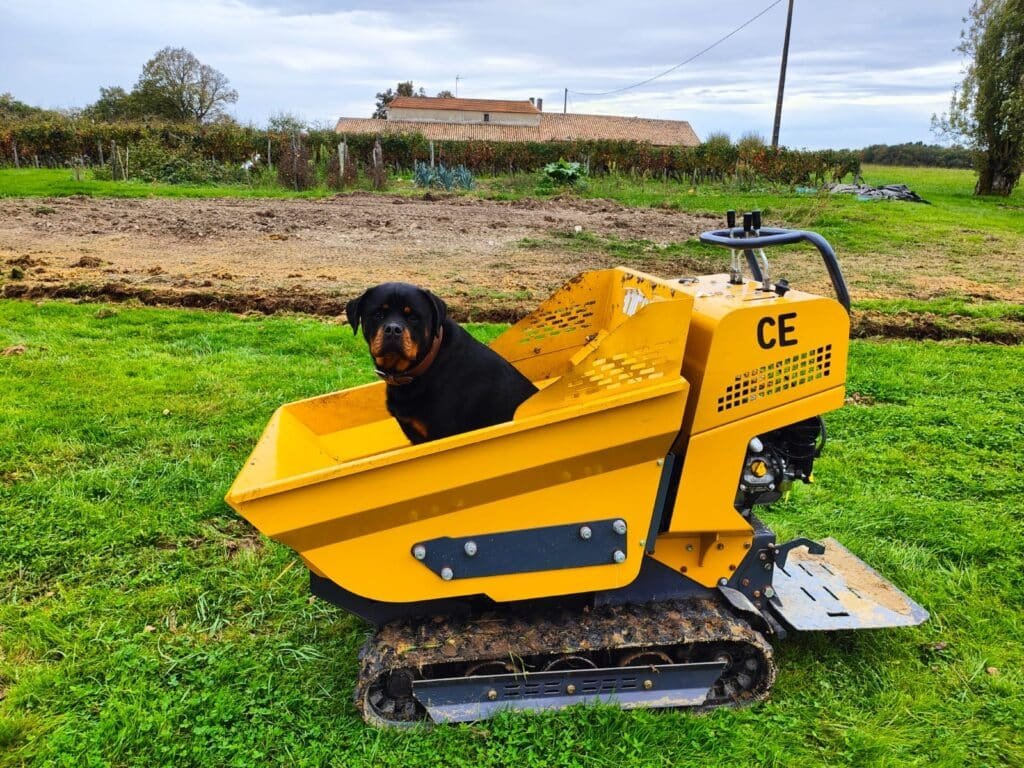
Many buyers think CE is just a logo. That’s a big mistake.
CE requires a full compliance system:
1. Declaration of Conformity (DoC)
The core legal document
2. Technical File
Includes:
- Design drawings
- Risk assessment
- Test reports
3. CE Marking Plate
Attached to the machine
4. User Manual (EU standard)
Must include safety instructions
👉 Important:
CE is self-declared, but legally binding.
If something goes wrong, the importer is responsible.
5. Complete Document Checklist (Simple Version)
Here’s a practical checklist for buyers:
For USA (EPA):
- EPA engine certificate
- Engine label photo
- Commercial invoice
- Packing list
- Bill of lading
For Europe (CE):
- Declaration of Conformity
- CE marking plate
- User manual
- Technical file (keep on record)
- Invoice & shipping documents
6. Common Mistakes That Get Shipments Blocked
From real export cases, these are the most common issues:
Mistake 1: Fake or reused certificates
Some suppliers reuse documents from other models
Mistake 2: Engine mismatch
Certificate says one engine, machine has another
Mistake 3: Missing labels
No EPA label on engine
Mistake 4: Incomplete CE documentation
Only CE logo, no DoC
Mistake 5: Wrong HS code or paperwork
Leads to customs delays
👉 Reality check:
Most problems don’t come from customs—they come from suppliers cutting corners.
7. How to Verify Documents (Avoid Fake Certificates)
Here’s a simple way to stay safe:
Step 1: Check consistency
- Engine model matches certificate
- Machine model matches documents
Step 2: Ask for real photos
- Engine label
- Machine nameplate
Step 3: Request video inspection
- Show machine running
- Show labels clearly
Step 4: Cross-check details
- Dates
- Serial numbers
👉 If a supplier avoids these steps, that’s a red flag.
8. Real Factory Export Experience (What Actually Happens)
Case 1: U.S. Shipment Delayed
- Engine label missing
- Held at port for 2 weeks
Case 2: EU Customs Issue
- CE logo present, but no DoC
- Importer had to resubmit documents
Case 3: Certificate Mismatch
- Wrong engine listed
- Shipment rejected
All three cases had one thing in common:
👉 Poor document control from supplier side
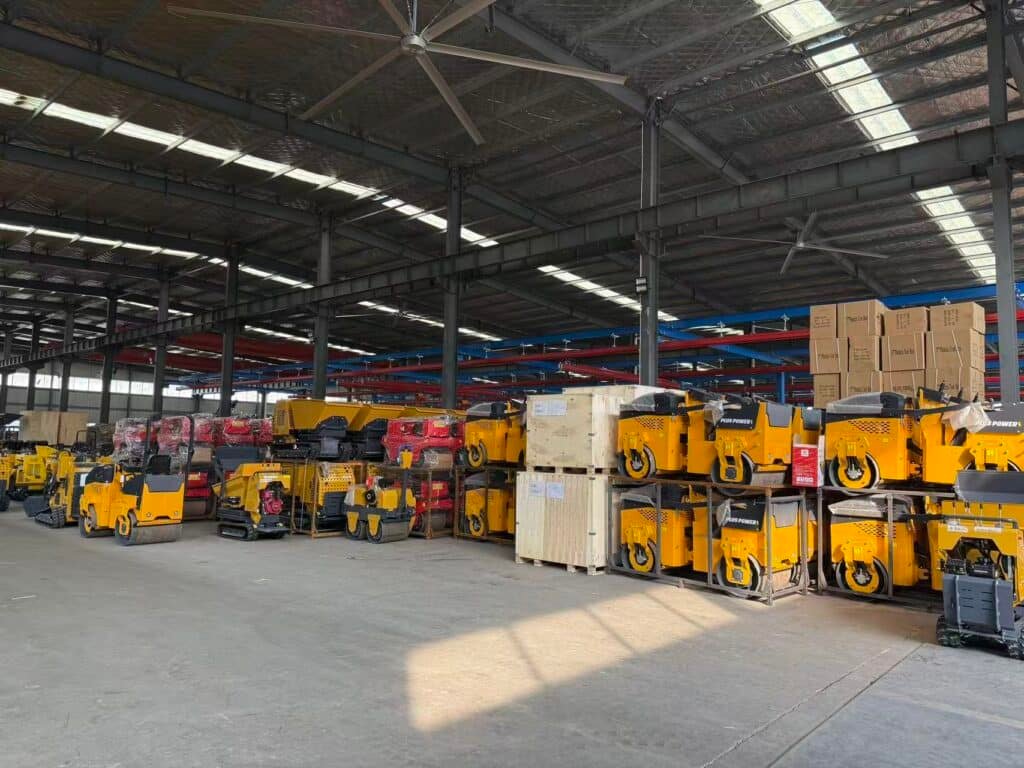
9. How Reliable Factories Like Nicosail Handle Compliance
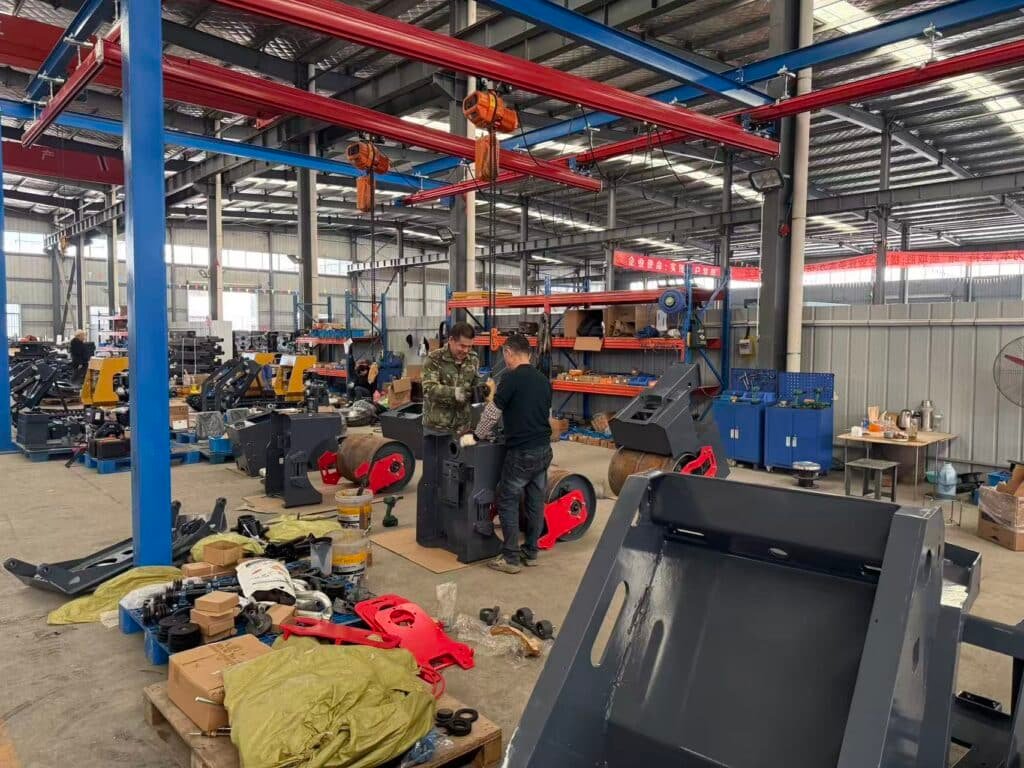
Experienced exporters treat compliance as part of the product—not an extra.
Good practices include:
- Matching engine and certificate before production
- Providing full CE documentation package
- Sharing label photos before shipment
- Supporting customers with customs clearance
Nicosail, for example, typically:
- Uses export-compliant engines (EPA ready when needed)
- Prepares complete CE document sets
- Verifies all details before shipment
👉 This reduces risk for importers and avoids costly delays.
10. FAQ
Q1: Is CE required for all countries?
No. Mainly for the European market.
Q2: Can I import without EPA?
Not legally for most diesel equipment in the U.S.
Q3: Who is responsible for CE compliance?
Both manufacturer and importer—but importer takes legal risk.
Q4: Are all Chinese suppliers compliant?
No. Many are not fully compliant—verification is essential.
Q5: Can documents be checked before shipment?
Yes—and they should be.
11. Final Summary
EPA and CE compliance may sound complicated, but the logic is simple:
Key points to remember:
- EPA = engine emission compliance (USA)
- CE = full machine safety compliance (EU)
- Documents must match the actual machine
- Labels are just as important as paperwork
- Verification before shipment saves huge trouble later
From real factory experience, the biggest risks don’t come from regulations—they come from unclear or incorrect documentation.
Working with a reliable and experienced exporter like Nicosail helps ensure everything is prepared correctly from the start—so machines arrive on time, pass customs smoothly, and go straight to work.
If the goal is simple—import without delays, avoid legal issues, and sell with confidence—then getting EPA and CE compliance right is absolutely essential.